


 Clicks:1380
  Category:
Company News
Category:
Company News 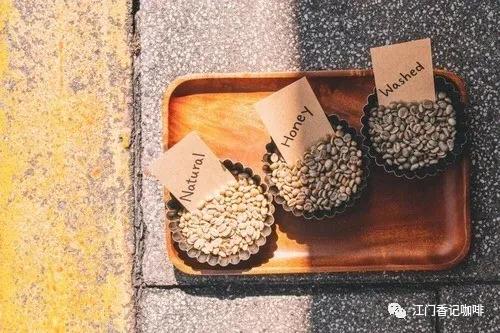
Different producing areas, different post-processing methods and different varieties all have unique coffee tastes.
Faced with these various proper nouns, how to choose the coffee flavor that suits you?
Let’s learn about post-processing methods today.
Water washing, sun exposure, and honey treatment are three common post-processing methods, which are crucial to influence the direction of coffee flavor.
After picking the coffee berries from the coffee tree, the farmer must remove the peel, pulp and pectin from the beans to get the green coffee beans. These processes are the post-harvest processing of coffee.
Washing method
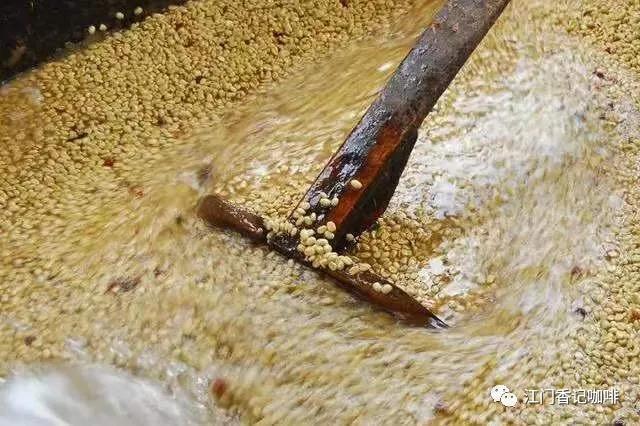
As the name suggests, peel off the peel and pulp in water. Although pectin is sticky and not easy to remove, it can be washed off after being decomposed by yeast fermentation. At this time, there is a layer of parchment paper (called shelled beans at this time) on the outside of the coffee. After being dried by the sun or wind, store it and let it stand. Before exporting, use a machine to remove the hard dry parchment layer, which is the raw material that has been washed. Beans out. The taste is clean and delicate, with very few unripe beans, high consistency, usually showing bright and lively sweet and sour sensation, fragrant flowers and fruits, scented tea, smooth and refreshing.
Sun exposure
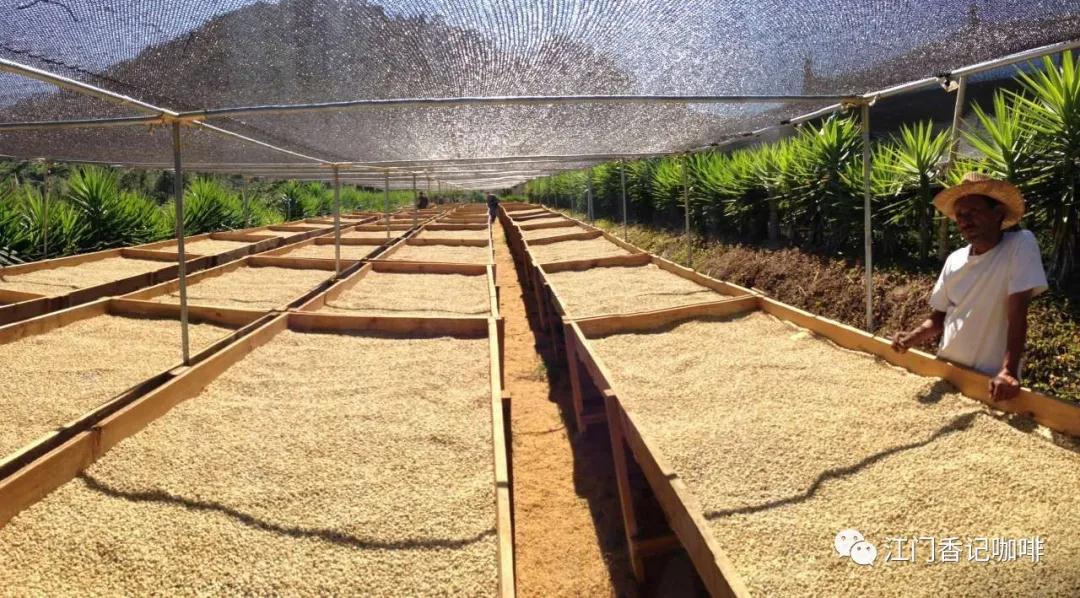
In areas with plenty of sunshine and dryness, farmers pick coffee berries and spread them directly on the concrete floor or shelf, turning them over repeatedly, using the sun to slowly dry the berries. It lasts from several weeks to several months. After the peel, pulp, pectin, and parchment are all dried together, the beans will be sun-dried as soon as they are peeled off. The traditional sun drying method is not watery, and retains all the taste of coffee. In addition, during the long-term drying process, the wine-flavored sauce from the fermented pulp is also melted into the beans, which will develop a rich layer, thick taste, tropical fruit sweetness, and full flavor. Coffee taste.
Honey treatment
In order to reduce the waste of water resources, the washing method consumes more than 40 liters of water to produce one kilogram of raw beans. In order to improve this, the honey treatment uses a machine to scrape the peel and pulp, leaving a little pulp and pectin to be decomposed by fermentation. Wash away. Because there is more pulp for fermentation than washing with water, the surface of the processed beans will have a light yellow color, like a layer of honey, so it is called honey treatment. The color of the beans is from light to dark, subdivided into white honey, yellow honey, orange honey, red honey, black honey and so on. The taste of honey-treated beans is firmer than that of water-washed beans, with a slight fermented aroma and sweetness.

With the three well-discussed methods, how can there be no famous Indonesian wet planing method?
Indonesian wet planing method
In fact, the wet planing method evolved from the washing method that came from the Dutch colonial era. The wet planing method is to remove the endocarp when the bean body is damp and soft, and the moisture content is as high as 30-35%, so that the surface of the raw bean is directly exposed, and then continue to dry. This is because the climate of Sumatra is humid, and methods developed according to local conditions are aimed at accelerating drying. The drying time is shortened, the fermentation period of coffee beans is shortened, the sourness is greatly reduced, the mellowness is therefore increased, and the caramel and fruit aromas are obvious, with a slightly woody and medicinal flavor, which is also the unique "regional flavor" of Mandheling.
Although this method is adapted to local conditions, it is also prone to problems. Because the coffee beans are exposed, they are easy to be bitten by mosquitoes and other mosquitoes. Although the beans of the wet-planed method are large, there are many defective beans, and there are many "carob beans". If the carob beans are also counted as defective beans, Mante Ning's defect rate is about 10%~20%, which is quite terrible.

Wind stain treatment
The wind-stained coffee needs to be made from sun-dried beans. All the plants that process wind-stained coffee are facing west to welcome the salty and wet monsoon from the sea from the southwest. The coffee beans are laid flat in the wind-stained field with all windows. Open the bag and put it into the bag after it reaches a certain degree of wind damage, but because the bean body will expand a lot during the process, the coffee beans cannot be filled too much, and the coffee bag cannot be packed too densely to avoid moldy and spoiled due to impermeability. Pouring out the coffee beans and replacing the burlap bags from time to time to prevent mold from growing is a time-consuming and labor-intensive project.
The aroma of this dried coffee is not very strong, but after adding water, a sweet aroma of strong roasted nuts (dry roasted peanuts), caramel and tobacco comes out.
Anaerobic fermentation process
In recent years, the popular anaerobic fermentation treatment method uses different yeast strains to control the fermentation temperature and time during the post-treatment process to produce coffee beans with a unique aroma. Because the fermentation process is not easy to accurately control and requires investment in equipment, the price is quite expensive and the output is scarce. It is mostly used for competitions and few can enter the market. If you encounter it, don't hesitate to start! Anaerobic fermentation of coffee beans has a higher mellowness and a mellow feeling similar to wine, but the sweetness or fruity notes are better than honey processing.
If you like coffee with a refreshing taste and delicate aroma, you can start by washing the beans. I like the rich and thick, tropical fruit aroma and the taste of fermented wine. The sun treatment will definitely bring surprises~
<The end>
*This article is compiled and edited by "Coffee Boutique Life". If there is any error, please leave a message. Some pictures and articles are from the Internet. If there is any infringement, please contact the staff to delete, thank you!