


 Clicks:1028
  Category:
Company News
Category:
Company News 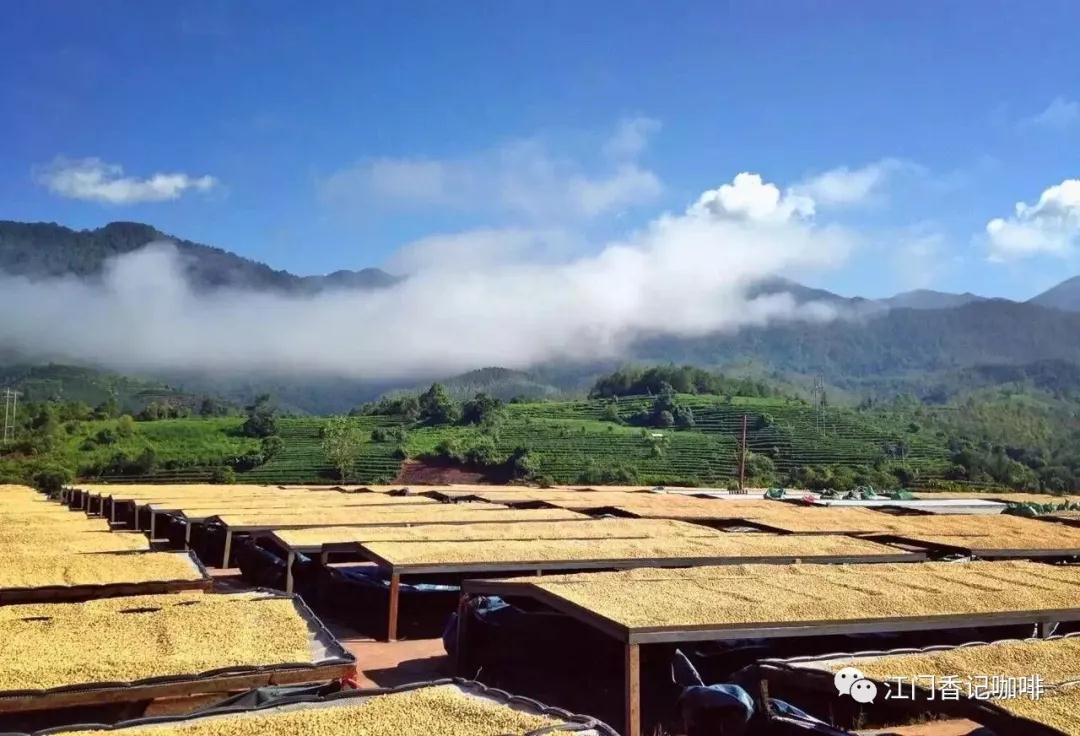
In the introduction and description of some raw and cooked coffee beans, the flavor, origin, estate, batch, processing method, and growing altitude are often indicated. Is altitude really a meaningful reference indicator? What can it tell us?
If you ask a friend who knows about coffee about altitude, they may tell you that the higher the altitude, the higher the quality of coffee beans, but in fact the facts are far more complicated than this!
Altitude: a sign of coffee bean quality?
High altitude is usually associated with higher sweetness, more complex flavor of coffee beans, but they are related to each other rather than causal. What really determines the quality of coffee beans is the temperature and temperature difference that make coffee better.
The lower the temperature, the slower the growth of coffee trees; the greater the temperature difference between day and night, the slower the growth of coffee, which will accumulate more nutrients and contain more aromas, which means the flavor of the roasted coffee beans It will be richer and more complex.

More advantages of low temperature
Even More Reasons Cooler Temperatures Are Good
Leaf rust is a disease easily acquired by coffee trees. This disease is not without its weaknesses. One of them is temperature. In an official SCAA report in 2012, Sage pointed out that the ideal temperature for a leaf rust outbreak is 21-25°C, and it cannot survive when the temperature is below 15°C. The ideal growth temperature for coffee is 17-23°C. When the temperature is lower than 14°C and higher than 30°C, it is not conducive to the growth of coffee trees. This means that at low temperatures, the propagation of leaf rust slows down.
This also means that the power of coffee leaf rust will be weakened in a low temperature environment.
In a similar situation, a study in 2009 showed that the coffee bean beetle caused hundreds of thousands of dollars in losses. In a warm growing environment of 20-30 degrees Celsius, coffee plants are greatly threatened.
If a coffee farm is built in a high-altitude area, coffee trees are relatively less harmed by leaf rust, coffee bean beetles, and other pests that cannot survive low temperatures.
Not all coffee categories are susceptible to leaf rust, but those coffee categories may lack flavor. It is because the basic paternal lineage of disease-resistant coffee categories is Robusta gene-a coffee type with high hardness and bitter taste. High disease resistance has led some plantations to start growing these types of coffee beans. You can easily learn this detail at the source of raw coffee beans.
For many reasons, we tend to simplify it to-coffee beans grown at higher altitudes are of better quality.
Where Altitude Falls Short
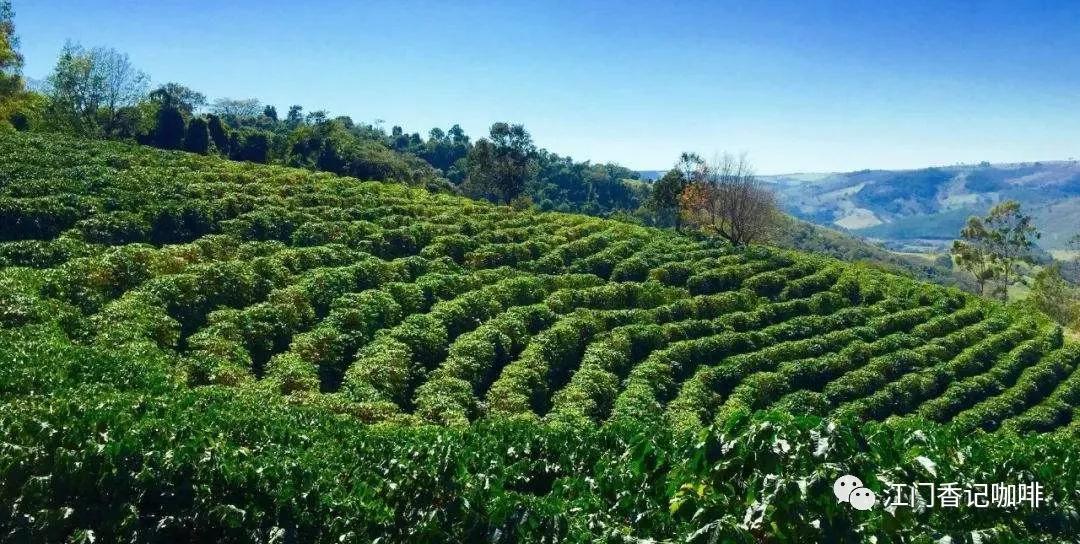
Just as altitude affects temperature, so does latitude.
Take Colombia as an example. They are famous for their high-quality, high-altitude coffee beans. Coffee farms, such as the Narino Manor, are 100 miles from the equator. According to the Colombian Coffee Growers Federation, the farm is about 2,300 feet above sea level. The coffee beans have high acidity, strong sweetness and obvious aroma.
Cerra Do Mineiro in southern Brazil is 15 times as far from the equator as Narino, and we will find that the altitude of these farms is much lower: only 800 to 1,300 feet. According to the Brazilian Coffee Producing Area Association of the Association, the average temperature in the area is only 23°C, which is an ideal coffee growing environment. Therefore, altitude is a relative concept, and it is impossible to set a unified reference standard for production areas around the world.
Latitude can only be used as an influencing factor, and the microclimate of the coffee growing area is also a big influencing factor. Like the Galapagos Islands spanning the equator, a coffee farm is located 200-300 feet. However, the temperature is similar to that of Cerra Do Minero. Because the Humboldt current brings cold air from Chile and Peru, the coffee grown here often has a caramel sweetness and a moderately thick body.
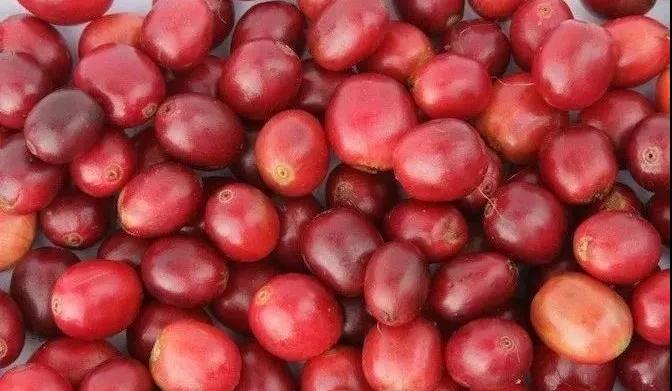
Speaking of "elevation" alone does not indicate the quality of coffee beans. The latitude of the farm, the local microclimate, and so on will affect the quality of coffee.
So far, why are we still attached to altitude instead of temperature? Because, unlike altitude, which is relatively fixed, temperature is affected by every season, every day, and every hour. Moreover, although the use of altitude to measure the quality of coffee beans is not complete, we need to quickly understand the growth of coffee beans in a region, which helps to roughly understand the flavor, aroma and ideal roasting curve of coffee. .
How Does “Altitude” Affect Coffee Beans?
Roasters have a more professional way of judging this concept. Generally speaking, for coffee beans grown in a high-altitude and low-temperature environment, roasters discuss it with "high density" and "high hardness". Slow-growing coffee beans have a harder texture and greater density; faster-growing coffee beans are softer and less dense.
Unfortunately, there is no specific item in the coffee industry to measure the density of coffee beans (in some coffee-producing countries, coffee beans grown at higher altitudes are often considered one-sidedly hard, which is related to the above. Said altitude is not absolute). The density measurement of coffee beans will break the inevitable connection between altitude and quality.
Roasters, and even coffee buyers, baristas, and consumers, need to have information about the density of coffee beans. As we have seen, slow-growing coffee beans not only create more complex flavors, but also affect the physical properties of the coffee beans themselves. Low-density green coffee beans have wider cracks in the middle, while high-density green coffee beans are narrower.
When we dive into the coffee beans, we will find a bigger difference: low-density coffee beans have more pores, which means that the heat transfer is slower and more irregular during the roasting process. Therefore, the roaster should use a lower roasting temperature to avoid scalding or burning the coffee beans.

Altitude represents only part of the quality of coffee
Do we make a big fuss about altitude? Is altitude really that important?
Coffee quality is very complex, it is affected by many factors: coffee varieties, farms, processing methods, soil quality, altitude, microclimate, and year-to-year differences, storage, transportation conditions, roasting, extraction, etc., will affect a cup The quality of coffee.
In summary, the growth rate of coffee cherries will have a significant impact on coffee flavor. For this reason, altitude has its own value. At the same time, we also need to understand the influence of latitude and microclimate mentioned above.
Elevation is an important reference, no matter where you are in the coffee production chain, you need to learn to understand it!
—————— The end ——————
*This article is compiled and edited by "Specialty Coffee Aesthetics". If there is any error, please leave a message. Some pictures and articles are from the Internet. If there is any infringement, please contact the staff to delete, thank you!